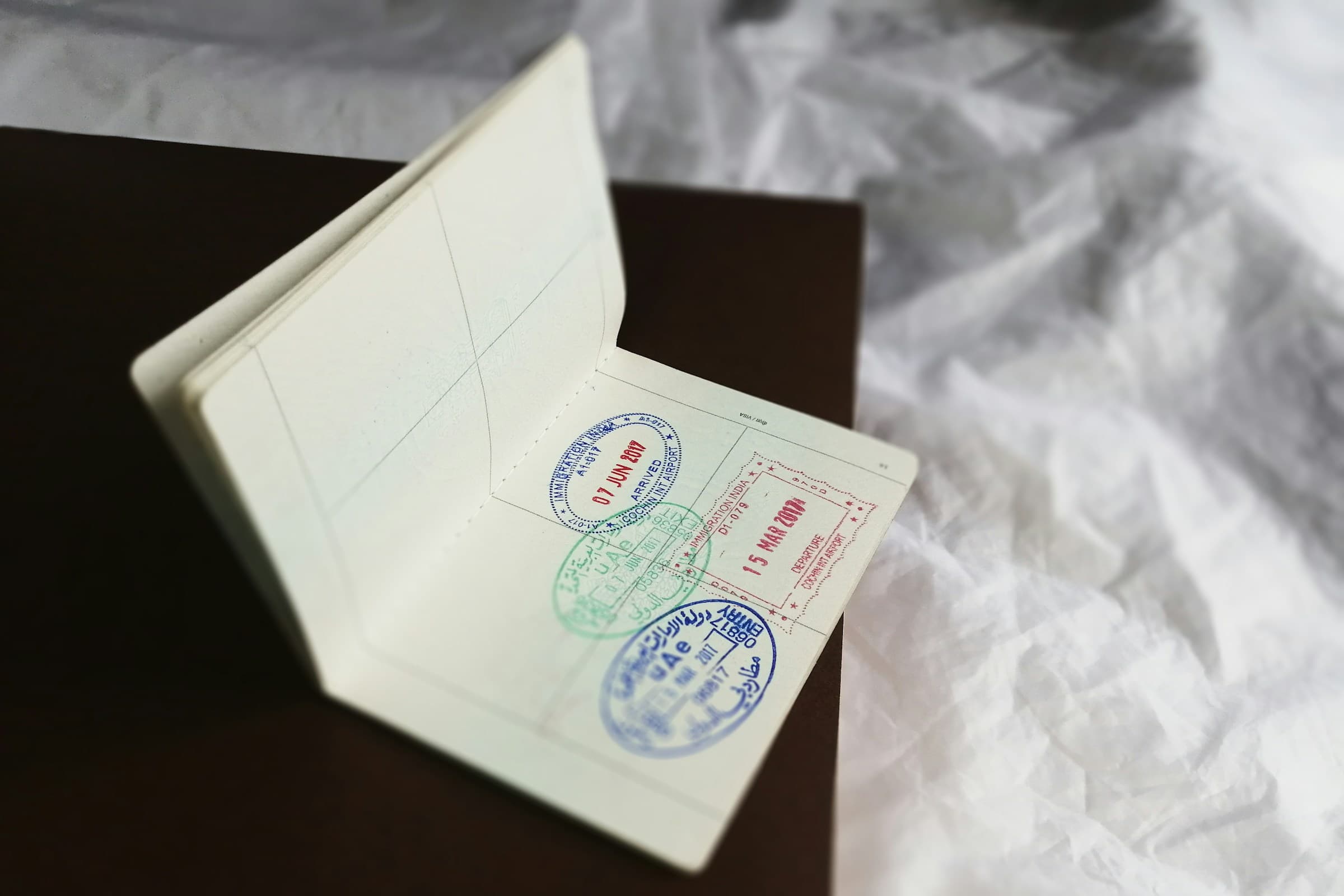
The visa is often the part of planning a UK medical elective that causes the most anxiety. It does not need to be. The process is well-documented, and if you have your placement confirmed and your documents in order, most applicants find it manageable.
This guide walks through the full visa process for international medical students planning a clinical elective or observership in the UK.
Which Visa Do You Need?
Standard Visitor Visa
This is the route most international medical students use. The Standard Visitor visa covers clinical electives and observerships for stays of up to six months. It permits clinical observation and educational clinical attachments. It does not permit paid employment, clinical practice (hands-on patient care), or enrolment in a full-time course.
Some nationalities, including citizens of the US, Canada, Australia, and many other countries, can enter the UK visa-free for stays of up to six months. Even without a visa, you must satisfy the immigration officer at the border that you are coming for a genuine clinical attachment. Bring your placement confirmation letter, proof of funds, and your return ticket.
Check the UK government's visa checker tool to confirm whether your nationality requires a visa application before travel.
Temporary Worker (Government Authorised Exchange) Visa
If your placement is longer than six months, or if it includes any form of paid clinical work or a formal training programme, you may need a Temporary Worker (GAE) visa. This requires a Certificate of Sponsorship from an approved sponsor. Most standard clinical attachments and observerships do not need this route, but it is worth knowing about if you are considering an extended placement.
For the rest of this guide, we focus on the Standard Visitor visa, which applies to the majority of medical elective students.
How to Apply: Step by Step
Step 1: Gather Your Documents
Before you begin the online application, make sure you have everything ready:
- A valid passport
- Your placement confirmation or invitation letter (from your hospital or placement programme)
- Proof of enrolment at your medical school
- Bank statements or financial evidence showing you can support yourself during your stay (typically three to six months of statements)
- Evidence of ties to your home country: proof that you intend to return, such as a letter from your university, evidence of ongoing studies, or family obligations
- Accommodation details (if available at this stage)
- Your travel itinerary or return flight booking
- A TB test certificate from an approved clinic, if you are applying from or have recently lived in a listed country (see TB Certificate section below)
Step 2: Complete the Online Application
Go to gov.uk and search for "Standard Visitor visa." The online form asks for your personal details, travel history, purpose of visit, and financial information. Be honest and thorough. Inconsistencies or vague answers can delay your application.
Step 3: Pay the Fee
The visa application fee is currently GBP 135. You pay online as part of the application. Priority and super priority processing services are available in most countries for an additional fee.
Check gov.uk for the latest figure, as fees change periodically.
Step 4: Book Your Biometrics Appointment
After submitting your application, you will need to attend a visa application centre to provide your fingerprints and a photograph. Appointments are available at centres in most major cities worldwide. Book this as soon as your online application is submitted. Appointment availability varies by location.
Step 5: Submit Supporting Documents
You can upload most documents digitally through the application portal. Some centres may ask you to bring physical copies to your biometrics appointment. Keep your originals safe.
Step 6: Wait for Processing
Standard processing time is approximately three weeks from the date of your biometrics appointment. Priority processing (available in most countries) reduces this to about five working days. Super priority (where available) can return a decision within 24 hours.
Step 7: Collect Your Passport
Once a decision is made, your passport will be returned to you with the visa (if approved) or a refusal notice. You can usually track the status of your application online.
When to Apply: Recommended Timeline
We recommend applying for your visa two to three months before your placement start date. This gives you a comfortable buffer for processing delays, document requests, or complications.
A practical timeline:
- 3 months before start date: Begin gathering documents: bank statements, placement letter, proof of enrolment
- 10-12 weeks before: Complete online application and pay the fee
- 9-11 weeks before: Attend biometrics appointment
- 6-8 weeks before: Visa decision received (standard processing)
- 4-6 weeks before: Book flights once your visa is confirmed
Do not leave your visa application until the last minute. Rushed applications lead to mistakes and missing documents.
Common Mistakes That Get Applications Rejected
Visa refusals for medical elective students are uncommon, but they do happen. Here are the most frequent reasons and how to avoid them.
Insufficient financial evidence. The entry clearance officer needs to be satisfied that you can support yourself financially during your stay. Provide three to six months of bank statements showing consistent income or savings. A sudden large deposit right before your application looks suspicious. If someone is sponsoring you, include a letter from them explaining the arrangement.
Weak ties to home country. The officer needs to believe you will leave the UK when your placement ends. Evidence of ongoing studies, a letter from your medical school confirming your expected return date, or family obligations in your home country all help.
Vague purpose of visit. Be specific. "I am undertaking a four-week clinical observation attachment in general surgery at [Hospital Name] from [start date] to [end date], arranged through UK Medical Electives" is much stronger than "I want to do some medical training in London."
Missing or incomplete placement letter. Your invitation or confirmation letter should clearly state the hospital name, department, dates, your supervisor's name, and the fact that the placement is unpaid and educational in nature. If your letter is vague or missing key details, it raises questions.
Applying too late. Give yourself at least two months. Three is better.
Country-Specific Notes
Visa requirements and processing experiences vary depending on where you are applying from.
Nigeria, Pakistan, India, Bangladesh: Processing may take longer from these countries. Apply early and consider priority processing. Ensure your financial documents are thorough and well-organised.
US, Canada, Australia, New Zealand: You may not need a visa at all for stays under six months. Check the gov.uk visa checker to confirm.
EU/EEA nationals (post-Brexit): You no longer have automatic right of entry. Most EU nationals can still enter visa-free for short stays, but check current requirements on gov.uk.
Middle East (UAE, Saudi Arabia, Kuwait): Processing is generally straightforward. Visa application centres are well-established in major cities.
If in doubt: The UK government's visa checker is the definitive source. Check it before making assumptions.
TB Certificate Requirement
If you are applying from or have recently lived in a country where tuberculosis is common, you may need to provide a TB test certificate from an approved clinic before you can apply for your visa. This is a hard requirement. Your application will be refused without it.
Check the UK government's list of countries requiring TB testing before you begin your application.
Immigration Health Surcharge
Standard Visitor visa applicants are exempt from the Immigration Health Surcharge (IHS). You do not need to pay the IHS as part of your visa application. If the application form asks about IHS, select the exemption for Standard Visitors.
What to Have Ready at the UK Border
When you arrive in the UK, keep the following documents accessible (not in checked luggage):
- Your passport with visa (or confirmation of visa-free entry eligibility)
- Your placement confirmation letter
- Proof of funds (bank statements)
- Return flight booking or travel itinerary
- Accommodation details
- Contact details for your placement provider
If asked by the Border Force officer, explain clearly that you are attending a clinical observation attachment at your hospital for the specified duration. Do not describe your placement as "work" or "training". It is an educational clinical attachment. You will be observing, not treating patients.
Important: During your placement, you must not perform hands-on clinical tasks such as examining patients, taking histories as part of care delivery, writing in medical notes, or prescribing. If you are asked to carry out clinical work, you should politely decline. Doing so on a Standard Visitor visa would breach your visa conditions.
How We Help with the Visa Process
We do not process visa applications on your behalf, but every student we work with receives a full visa guidance pack including:
- A tailored invitation letter confirming your placement dates, department, and hospital
- Step-by-step visa application instructions specific to your nationality
- All supporting documents you need for your application
Our goal is to make sure you have everything required to apply confidently. For the full application process, see our international students guide to UK medical electives, or if you're planning a London medical elective, our London guide covers hospitals, costs, and logistics. Register to get started or see how the process works.
Visa guidance current as of April 2026. Immigration rules change, so always verify requirements on gov.uk before applying. This information is for general guidance only and does not constitute immigration advice. For advice specific to your personal circumstances, consult a qualified immigration adviser registered with the OISC or a regulated solicitor.