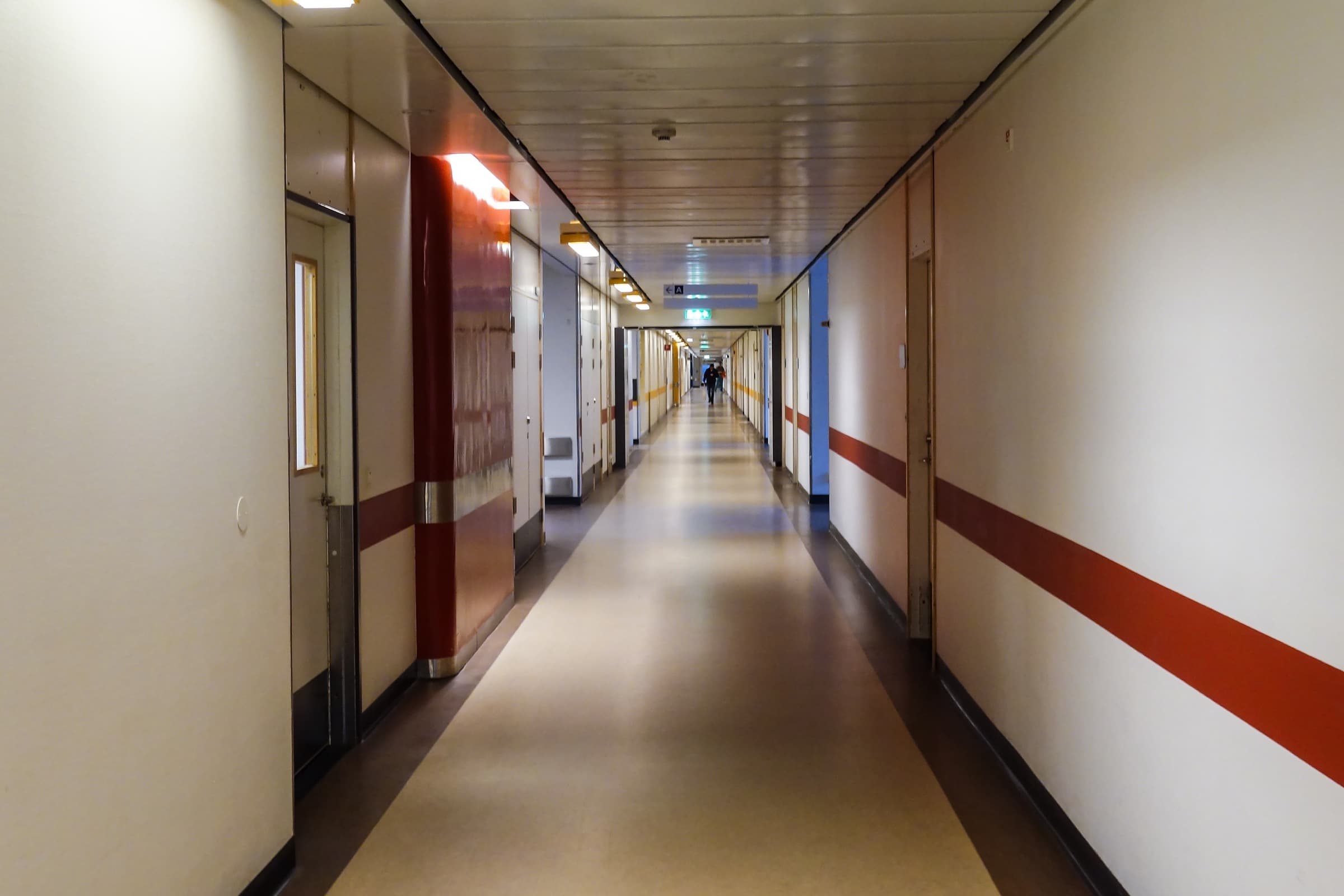
If you finished medical school outside the UK and want to see the NHS from the inside, your options are narrower than most people expect. Which one is open to you comes down to a single question: do you hold GMC registration? Most recent graduates do not, and that one fact decides nearly everything below.
This guide covers every realistic route into a UK hospital for an international graduate, what each requires, what each costs, and the visa position for the one most people actually take.
Your options at a glance
| Route | GMC registration needed? | Hands-on? | Typical length |
|---|---|---|---|
| Observership (clinical observership) | No | No, observation only | 1 to 8 weeks |
| Hands-on clinical attachment | Yes, at some hospitals | Sometimes | 2 to 12 weeks |
| Paid NHS post (FY2 standalone, trust grade, training) | Yes, plus right to work | Yes | Months to years |
| Medical elective | No, but you must still be a student | Varies | 2 to 8 weeks |
Three things jump out of that table.
First, if you have already graduated, the elective route has closed behind you. Electives are for enrolled students, usually in their final year. Plenty of graduates only discover this after spending a week on elective applications, so it is worth knowing early: the observership is what replaces the elective at your stage.
Second, the observership is the only route that does not require GMC registration. Everything hands-on requires it, and paid work requires a visa with the right to work on top. Neither exists at the just-graduated stage, however strong your degree.
Third, "clinical attachment" means different things at different hospitals. Some use it for an observation-only placement. Others reserve it for hands-on posts that require GMC registration. Always check which one a hospital means before you build plans around the word. In this guide, observership means observation only.
What an observership actually involves
You are hosted by a consultant and their team. You follow ward rounds, sit in on clinics, watch procedures, and join whatever teaching is running that week. Good hosts pull you into case discussions and expect questions. You do not treat or examine patients, you do not write in the notes, and nothing you do requires GMC registration or a PLAB pass.
On paper that sounds passive. In practice the access is the point. You see how decisions get made, how teams talk to each other, and how the NHS actually runs on a Tuesday afternoon, which is not something any textbook or YouTube walkthrough can give you.
Who it makes sense for
If you are on the PLAB or UKMLA path
An observership gives you the context the exam quietly assumes: how UK wards run and what the NHS expects of its junior doctors. There is also a practical bonus in the visitor rules. If you pass PLAB, you can apply to stay for a further unpaid clinical attachment, up to 18 months in the UK in total, so a first observership sits naturally at the start of that road. For the full route from degree to NHS contract, see our guide to getting a job in the UK as a doctor.
If you are heading for residency at home or the USMLE
Time inside a foreign health system stands out on any application, and a reference from an NHS consultant carries weight. Know the limits, though. An observership is not a sub-internship and will not produce hands-on evaluations. What you take away is documented experience and people who know your name.
If you are between medical school and your next step
A structured few weeks in an NHS hospital beats most ways of spending a post-graduation gap. You keep clinical momentum while you decide, and you find out whether UK medicine suits you before you have paid for a single exam.
If you are deciding whether to move to the UK at all
Two weeks inside an NHS department will tell you more about whether this system fits you than a year of forum threads. It is also far cheaper than discovering the answer after you have moved.
The visa, plainly
The UK's Immigration Rules explicitly permit overseas graduates of medical, dental and nursing schools to undertake an unpaid clinical attachment or observer post as a Standard Visitor. The conditions, verified against gov.uk (15 July 2026):
- The placement must be unpaid and must involve no treatment of patients, which an observation-only observership satisfies by design.
- A Standard Visitor can stay up to 6 months; the visa costs £135 (fee current from 8 April 2026).
- You will need confirmation of your placement offer stating it involves no treatment of patients (your invitation letter), and confirmation you have not previously done a clinical attachment in the UK.
- If you pass PLAB while eligible, you can apply to extend for a further unpaid clinical attachment, up to 18 months in the UK in total.
Some nationalities can visit visa-free or with an electronic travel authorisation instead, and processing times vary a lot by country. Rules change, so check gov.uk for your country before you book anything.
What it costs
Observerships are unpaid by law, and hospitals charge a fee to host you. Published NHS examples exist: Great Ormond Street Hospital lists £900 for a four-week clinical observership, or £750 for some applicant categories. Providers who arrange placements charge the placement fee plus their service on top.
Add it up for a four-week London placement: the hospital fee, the £135 visa, £150 to £350 a week for a room, plus flights and food. Most people should plan for a few thousand pounds all in. That is real money, which is exactly why it pays to be picky about what a provider actually does for their share: the invitation letter, the document handling, the pre-arrival guidance, and whether anyone picks up the phone once you have paid.
How to actually get one
You can try to arrange one yourself: find a consultant willing to host you, get their yes through the trust's approval process, assemble the paperwork, pay the fee and sort the visa. Doctors who go that route describe months of cold-emailing, and the most common outcome is not rejection but silence. Realistically it takes two to five months when it works at all.
Or take an arranged placement: one application, a confirmed place at an NHS hospital, and the paperwork (including your visa invitation letter) handled with you.
The second route is what we do. Placements are observation-only and we say so plainly. The fee is shown before you commit. On satisfactory completion, hospitals typically provide a certificate, and letters of recommendation sit at the supervising consultant's discretion. No placement, ours or anyone's, leads automatically to a UK job or GMC registration. Treat any promise like that as a red flag.
Our post-graduate track is open and growing. Create your free account to see current placements and be notified as new hospitals and specialties open. Registration takes two minutes and commits you to nothing.
Quick answers
I graduated two years ago, am I still eligible? Yes. Observerships have no recency requirement, though individual hospitals set their own criteria.
Do I need to have passed PLAB first? No. Observation-only placements need no PLAB, UKMLA or GMC registration.
Can I do more than one? The visitor route asks you to confirm you have not previously undertaken a clinical attachment in the UK, so plan your placement window properly the first time. If in doubt about your history, check the current rules or take advice.
Will it count toward GMC registration? No. Nothing about an observership shortcuts registration. Its value is the experience itself and the references that come with it.
When should I start planning? Two to five months ahead if you are arranging it yourself. An arranged route compresses that, but visa processing time is still yours to plan for.